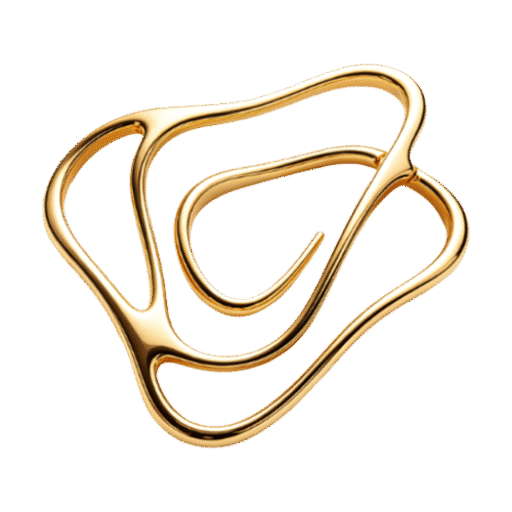
Modern fashion jewelry is no longer limited to simple metal accessories. Today’s European and American jewelry trends focus heavily on sculptural forms, molten textures, irregular silhouettes, and vintage-inspired aesthetics. Designs such as organic irregular earrings, molten metal rings, vintage gold pendants, and sculptural pearl jewelry all require a much more advanced production process than traditional fashion jewelry.
Every jewelry collection begins with concept development. Designers first create front-view sketches, side profiles, thickness planning, stone placement layouts, and texture direction references. Unlike traditional flat jewelry, modern premium accessories emphasize fluid metal movement, irregular edges, handmade artistic feeling, and organic sculptural structure. This design direction has become especially popular in today’s European and American markets.
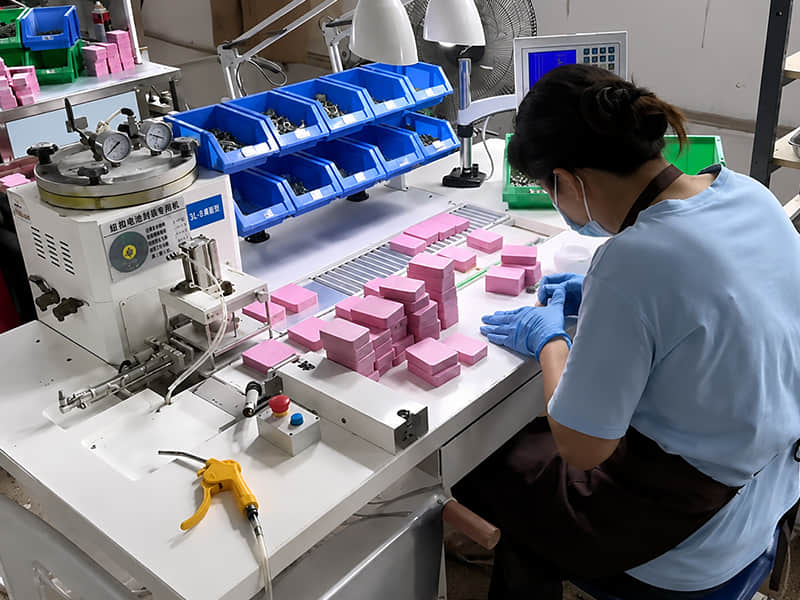
After the sketch stage, designers move into digital 3D modeling. Rhino is commonly used for structural precision, dimensions, engineering details, and stone setting positions, while ZBrush is used for sculptural textures, molten metal effects, organic surfaces, and vintage handcrafted details. Many luxury-looking fashion jewelry pieces rely heavily on ZBrush-style sculpting because it creates the irregular artistic texture that modern buyers associate with premium jewelry.
Once the digital model is completed, factories create a physical prototype through wax printing or resin printing. This sample allows designers to evaluate shape proportions, surface texture, wearability, and overall appearance before mass production begins. Adjustments are often made during this stage to improve both aesthetics and comfort.
After the prototype is approved, factories create silicone molds that allow the same design to be reproduced consistently during large-scale manufacturing. Mold quality is extremely important because it directly affects product consistency, detail sharpness, and production efficiency.
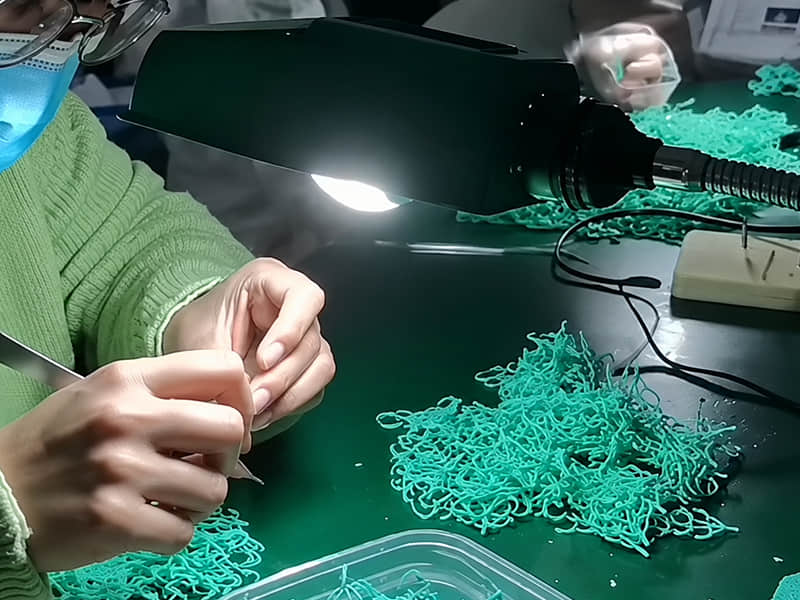
Molten wax is then injected into the silicone mold to produce large quantities of wax copies. These wax parts are assembled manually onto a central wax rod, creating what factories call a “wax tree.” The structure resembles a small tree and allows multiple jewelry pieces to be cast simultaneously during metal pouring.
The completed wax tree is placed inside a steel cylinder, and jewelry-grade plaster is poured around it to create a solid mold. Once hardened, the mold is heated at high temperature. During this burnout process, the wax melts away and leaves hollow cavities inside the plaster. This technique is known as lost wax casting, one of the most important manufacturing methods in modern jewelry production.
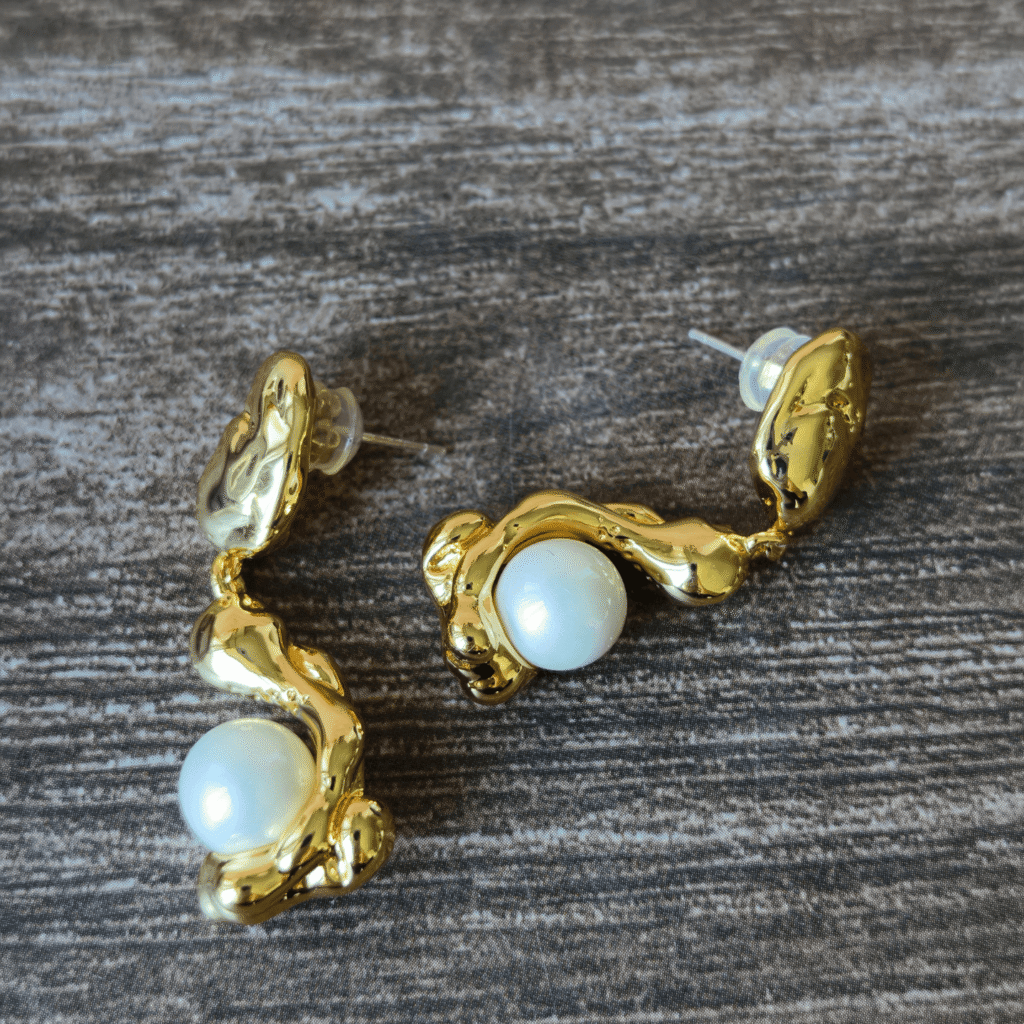
Factories then melt brass, bronze, or eco-friendly copper alloys at temperatures around 1000°C and pour the molten metal into the mold through vacuum casting or centrifugal casting methods. These techniques help improve surface smoothness, structural density, and casting precision.
After cooling, the plaster mold is broken away to reveal a complete metal casting tree. Workers then cut each jewelry component individually for the next stage of production.
The first half of jewelry manufacturing is essentially the transformation of artistic ideas into solid metal structures. From concept sketches to digital sculpting, wax trees, and brass casting, every stage directly affects the final texture, appearance, and quality of the jewelry.